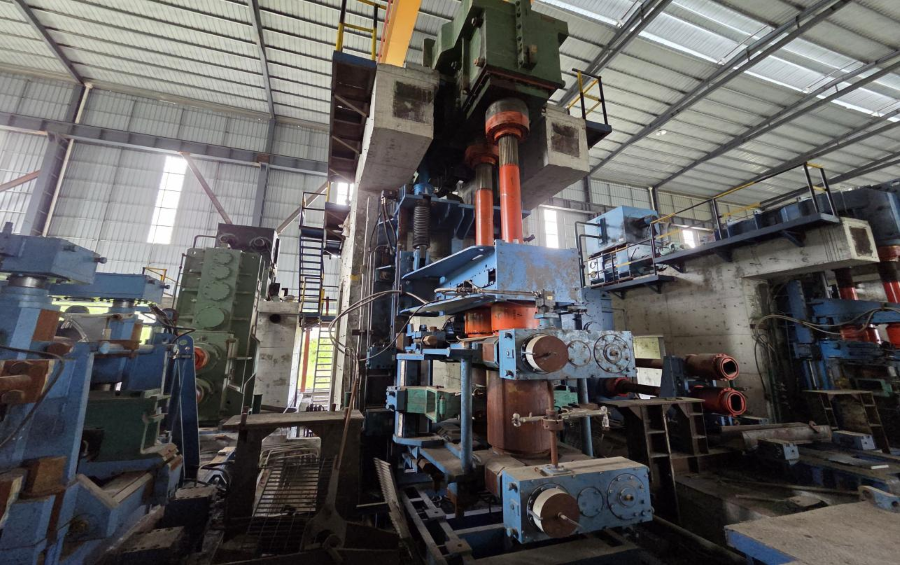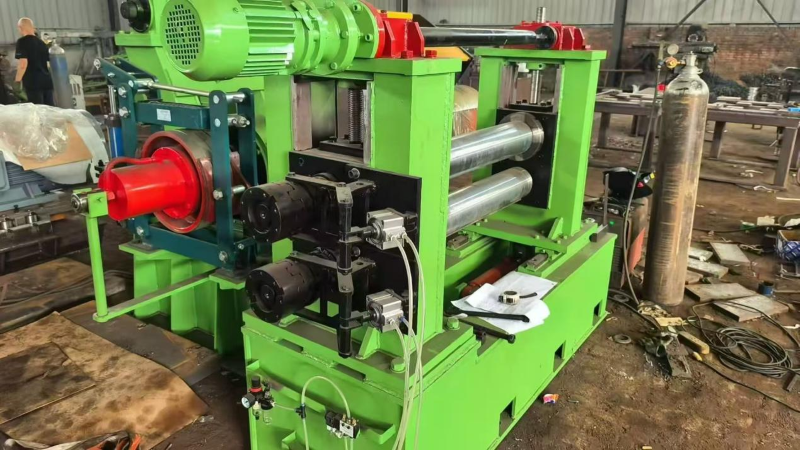
From “Low-Cost Purchasing” to “Equipment Refurbishment”: The Used Slitting Machine Market Is Changing
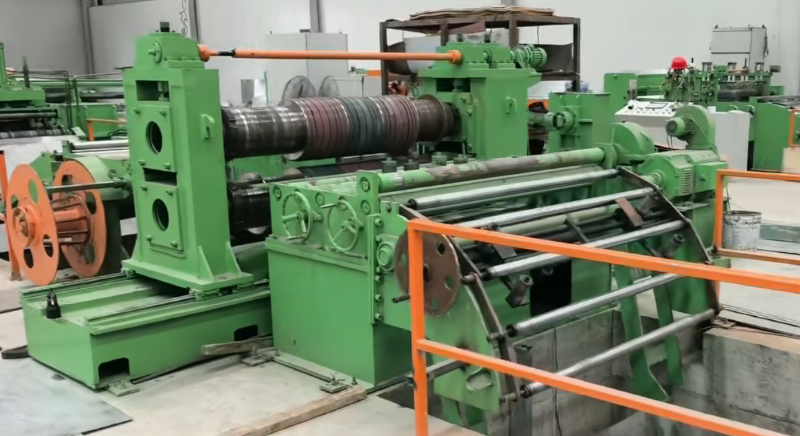
In recent years, used slitting machines have attracted increasing attention in the steel processing equipment market. Slitting machines are widely used to cut wide steel coils into narrower strips and are commonly applied to cold-rolled steel, hot-rolled steel, stainless steel, galvanized steel and other metal coils.
Public equipment marketplaces continue to show a wide range of used slitting lines with different specifications, production years and capacities. Some machines are also refurbished or remanufactured before being resold, indicating that the market is gradually moving beyond simple second-hand equipment trading.
This means that buyers are increasingly looking beyond the initial purchase price. Key questions are now how long the machine can continue operating, whether it can meet current production requirements, and what performance can be achieved after refurbishment.
1. From Buying Used Equipment to Buying Usable Production Capacity
In the past, price was often the primary consideration when purchasing a used slitting machine.
For smaller steel processing companies, used equipment can reduce the initial capital investment and provide a relatively fast way to establish or expand slitting capacity.
However, a low purchase price does not necessarily mean a lower total cost. An older machine may require significant spending on mechanical components, electrical equipment, spare parts, installation and commissioning.
As a result, buyers are increasingly evaluating equipment condition and total operating costs, rather than simply comparing purchase prices.
2. Refurbishment Is Becoming an Important Part of the Market
Refurbishment has become an increasingly important part of the used slitting machine business.
Some suppliers inspect and rebuild used slitting lines before reselling them. Refurbishment can include inspection or replacement of key components such as:
- Uncoiler and recoiler systems
- Slitter shafts and bearings
- Gearboxes and transmission components
- Tension systems
- Hydraulic equipment
- Motors and drives
- PLC and control cabinets
- Sensors and instrumentation
Public market listings include refurbished and remanufactured slitting equipment, showing that used machinery can be returned to productive service rather than simply being resold in its original condition.
Therefore, the value of a used slitting machine increasingly depends on its original condition, refurbishment quality and level of technical upgrading.
3. Electrical Control Upgrades Are Becoming Increasingly Important
Electrical control systems are one of the key areas of refurbishment.
Older slitting machines may still have mechanically sound equipment, while their PLCs, drives, inverters, HMIs and electrical components may be outdated or difficult to maintain.
In some cases, obsolete control components are no longer manufactured, making spare parts and technical support more difficult to obtain.
A practical solution is to retain the usable mechanical equipment while modernizing the electrical control system. Depending on production requirements, PLCs, HMIs, drives, inverters and sensors can be upgraded and the control logic can be reconfigured.
This approach can extend the service life of existing machinery while improving operation, control accuracy and maintenance support.
4. The Used Slitting Machine Market Is Becoming More Specialized
The current used-equipment market covers a wide range of slitting lines.
Available equipment can differ significantly in terms of:
- Maximum coil width
- Strip thickness
- Coil weight
- Slitting speed
- Number of knives
- Finished strip width
- Material type
- Uncoiler and recoiler capacity
Some complete lines include the uncoiler, slitter head, scrap winder, tension section, recoiler and electrical control system, while other buyers may only require individual machines or components.
This allows steel processors to select equipment according to their actual production requirements rather than investing in an entirely new production line.
5. Cost and Delivery Time Remain Major Advantages
Despite the market's shift toward refurbishment and upgrading, lower investment cost remains one of the main advantages of used equipment.
For companies entering the steel processing sector or expanding capacity with limited capital budgets, a properly inspected and refurbished slitting line can provide an alternative to purchasing a completely new system.
Delivery time can also be an advantage. Since some used machines are already manufactured and available in the market, they may offer greater flexibility than designing and manufacturing a new production line from the beginning.
Public equipment marketplaces continue to list used slitting lines from different manufacturers and production years, demonstrating that there remains an active secondary market for this type of equipment.
6. Buyers Are Paying More Attention to Total Lifecycle Cost
The purchasing criteria for used slitting machines are also changing.
A machine with a very low purchase price may require substantial investment in bearings, motors, drives, hydraulic components and electrical systems after installation.
By contrast, a properly inspected and refurbished machine may have a higher purchase price but offer more predictable operating and maintenance costs.
Therefore, competition in the used slitting machine market may increasingly shift from:
“Who offers the lowest price?”
to:
“Who can provide the most reliable equipment, comprehensive refurbishment and technical support?”
7. Used Equipment and Remanufacturing May Become More Closely Integrated
The future development of the used slitting machine market is likely to involve greater integration with remanufacturing, automation and electrical modernization.
Machines with structurally sound mechanical systems can potentially be upgraded through replacement of worn components, modernization of electrical controls, improvement of safety systems and complete recommissioning.
This approach can be attractive to steel service centers and smaller processors that do not necessarily need to build an entirely new production line.
For equipment suppliers, the business model could therefore expand from simple used-equipment sales to a more complete service chain:
Equipment Assessment → Dismantling → Refurbishment → Electrical Control Upgrade → Installation → Commissioning → After-Sales Service
Market Outlook
Overall, the used slitting machine market is gradually moving from low-cost equipment trading toward value-added refurbishment and equipment reuse.
Three areas are likely to remain particularly important:
First, mechanical condition.
The condition of slitter shafts, bearings, gearboxes, uncoilers and recoilers directly affects equipment reliability and service life.
Second, electrical control modernization.
The availability of spare parts and technical support for PLCs, drives, inverters and HMIs will become increasingly important when evaluating older equipment.
Third, refurbishment and after-sales capability.
Suppliers capable of providing inspection, refurbishment, electrical upgrades, installation, commissioning and maintenance may have an advantage over companies that simply resell used machinery.
Conclusion
The used slitting machine market is moving beyond the traditional concept of simply purchasing inexpensive old equipment. It is increasingly developing toward professional inspection, refurbishment, remanufacturing, electrical control upgrades and lifecycle services.
For steel processors, a professionally inspected and refurbished slitting machine can provide a way to control initial investment while meeting specific production requirements. For equipment suppliers, the combination of used machinery + refurbishment + electrical control modernization + technical service may become an increasingly important business model.
As steel processors continue to focus on lower capital expenditure, shorter equipment deployment times and greater production flexibility, the used slitting machine and refurbishment market is likely to remain an area worth monitoring.
How Can Aging Cold Rolling Mills Regain Their Value? Modernization Becomes an Important Option
Global Steel Industry Adjusts Investment Strategies as Demand for Used Slitting Lines Continues to Grow
Related Article