Second-Hand Wire Rod Mills Gain Attention as Refurbishment and Equipment Reuse Offer New Investment Options
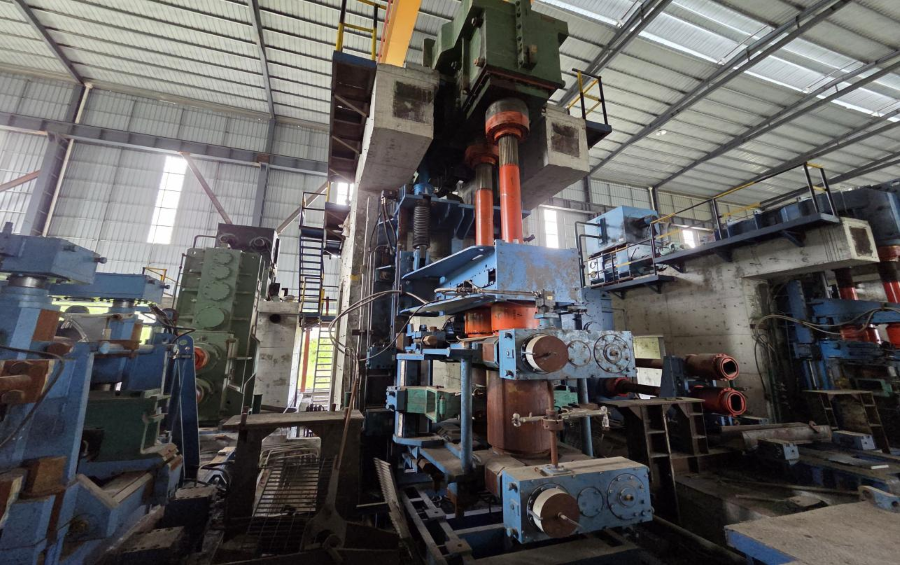
As steel producers evaluate investment costs, production capacity and equipment availability, the reuse of existing steelmaking equipment is becoming an increasingly visible option.
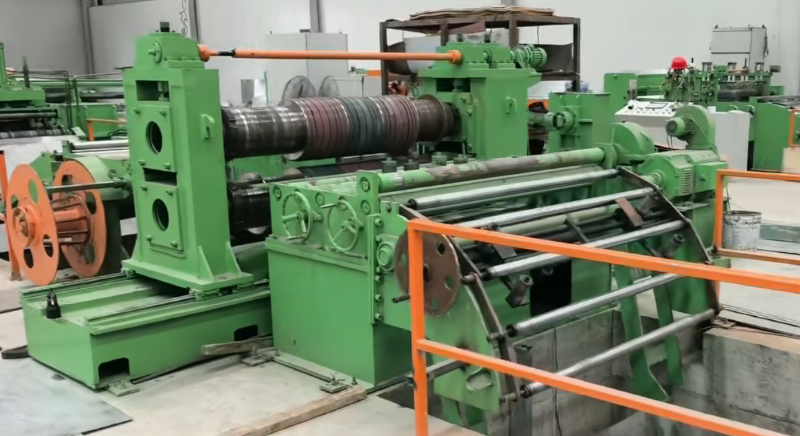
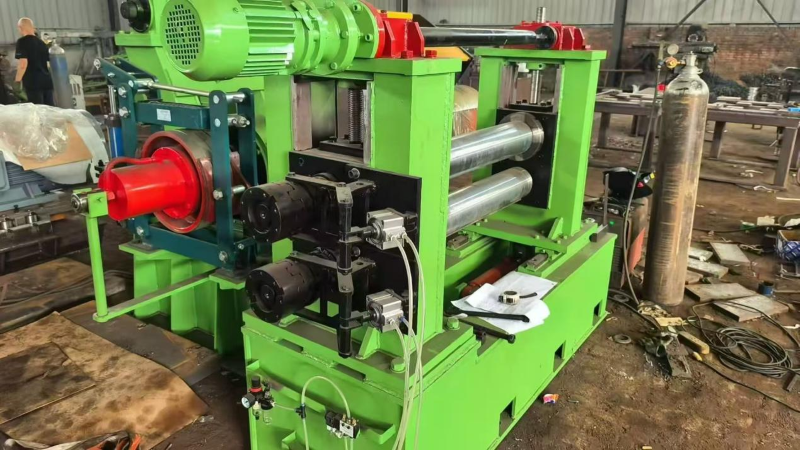
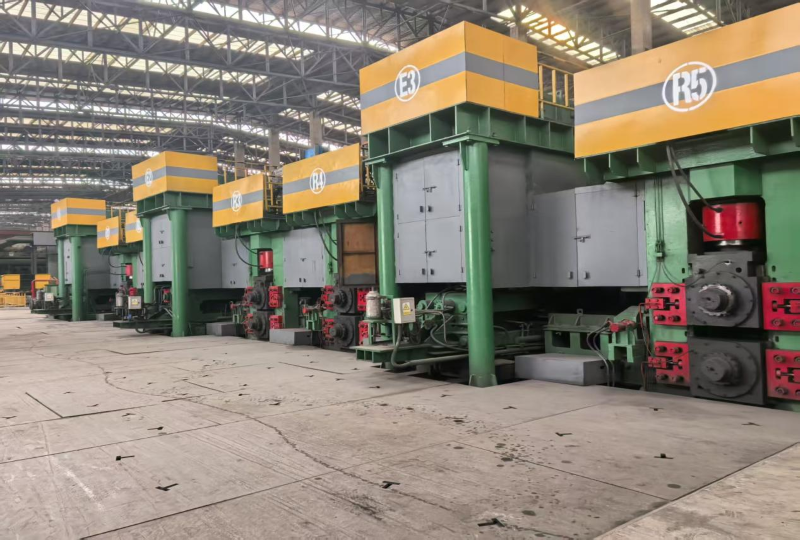
The second-hand market already includes complete wire rod mills as well as individual components and auxiliary equipment. Current equipment marketplaces list used wire rod mills from manufacturers such as Morgan, Mino, Toshiba and other suppliers, indicating that previously installed wire rod equipment continues to circulate in the international equipment market.
At the same time, specialized suppliers are offering refurbished wire rod mills, demonstrating that used equipment can be supplied not only in its existing condition but also after inspection, repair and refurbishment. TrueForge, for example, lists fully refurbished wire rod mills and provides used machinery trading and refurbishment services.
From Used Equipment to Refurbished Production Lines
For a second-hand wire rod mill, simply purchasing the existing equipment is usually only the first step.
Before being returned to production, key equipment may need to be inspected and refurbished, including:
- Rolling mill stands
- Roughing and intermediate mills
- Finishing mill blocks
- Pinion stands and gearboxes
- Main motors and drives
- Flying shears
- Laying head
- Cooling conveyor
- Coil handling equipment
- Hydraulic systems
- Lubrication systems
- Electrical control cabinets
- PLC and HMI systems
The actual scope depends on the age, condition, original configuration and intended production requirements of the mill.
This creates a market model that is different from simply buying an old machine:
Used Equipment → Inspection → Mechanical Refurbishment → Electrical Upgrade → Automation Modernization → Installation → Commissioning
Mechanical Refurbishment Can Extend Equipment Life
Wire rod mills contain a large number of heavy mechanical components that can remain serviceable after years of operation if they have been properly maintained.
For example, rolling stands, gearboxes, pinion stands and auxiliary equipment can be inspected, repaired or replaced according to their actual condition.
Used-equipment suppliers currently advertise wire rod mills and individual steel mill components for reuse, while specialized steel equipment companies also provide used and remanufactured equipment.
This means that equipment reuse does not necessarily mean operating a production line exactly as it was originally configured.
Instead, selected equipment can be retained, refurbished and integrated into a new production system.
Electrical and Automation Systems Are Key Areas for Modernization
One of the most important differences between an older wire rod mill and a modern production line is often the electrical and automation system.
Older equipment may use obsolete PLCs, drives, control cabinets and operator interfaces. Even when the mechanical equipment remains usable, discontinued electrical components can make maintenance and troubleshooting increasingly difficult.
As a result, second-hand wire rod mill projects can combine existing mechanical equipment with new:
- PLC systems
- HMI systems
- Variable Frequency Drives (VFDs)
- Main drive systems
- Sensors and instrumentation
- Industrial communication networks
- Safety systems
- Production monitoring systems
This approach can transform an older production line into a system better suited to current operating requirements.
Used Wire Rod Mills Can Also Be Reconfigured
Another advantage of equipment reuse is the possibility of modifying the original production configuration.
A second-hand wire rod mill may have originally been designed for a specific product range or capacity. During refurbishment, the buyer can evaluate whether selected equipment can be adapted to new production requirements.
Current equipment listings show that second-hand wire rod equipment is available in different configurations, including complete mills, finishing mills and individual components.
However, the feasibility of reuse depends on detailed technical evaluation, including:
- Billet size
- Finished wire rod diameter
- Annual production capacity
- Rolling speed
- Number of rolling stands
- Motor power
- Gearbox ratios
- Roll dimensions
- Cooling requirements
- Electrical system condition
- Existing foundation and layout
Therefore, a technical inspection is an important step before purchasing used equipment.
Why Refurbishment Is Becoming an Important Option
For some projects, the decision is not simply between a completely new rolling mill and a completely used production line.
A third option is increasingly practical:
Retain suitable existing equipment + replace critical components + modernize electrical and automation systems.
This approach can allow the purchaser to reuse equipment that remains mechanically suitable while upgrading areas that have become obsolete.
For companies with existing workshop space, foundations or auxiliary infrastructure, this type of modernization may also provide greater flexibility in project planning.
Market Evidence
The current international equipment market provides several examples of this model.
Machinio currently lists new and used wire rod mills and equipment from multiple manufacturers.
Machinery International also lists used wire rod rolling mill equipment, including equipment intended for rod and bar rolling applications.
Floreani & Partners lists used steel mill equipment—including used rolling mill stands, gearboxes and other equipment—and also offers steel plant upgrades and modernization services.
TrueForge specifically offers refurbished wire rod mills, showing that refurbishment has become part of the existing steel equipment service market rather than simply an individual equipment resale activity.
Conclusion
The second-hand wire rod mill market is developing around more than simple equipment resale.
The combination of used equipment, mechanical refurbishment, electrical modernization and automation upgrades provides an alternative approach for companies looking to reuse existing steelmaking assets.
For suitable equipment, the modernization process can involve:
Mechanical Inspection → Refurbishment → Electrical & Drive Upgrade → PLC/HMI Modernization → Installation → Commissioning
As the steel industry continues to focus on investment efficiency and equipment lifecycle management, the reuse of existing wire rod mills and their major components is likely to remain an important part of the global steel equipment market.
The key is not simply whether a wire rod mill is “used,” but whether its existing equipment can be technically evaluated, refurbished and upgraded to meet current production requirements.
How Can Aging Cold Rolling Mills Regain Their Value? Modernization Becomes an Important Option
Related Article