When Cost Efficiency Meets Reliability: Why Used Machine Are Becoming the New Choice in Metal Processing?

Cost Reduction, Faster ROI: How Used Machine Are Reshaping Metal Processing Investment Strategies
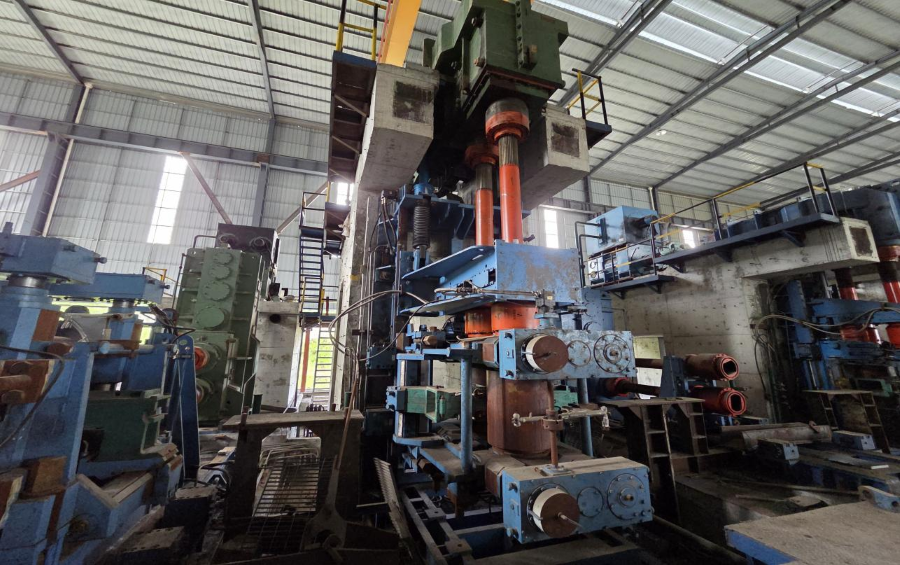
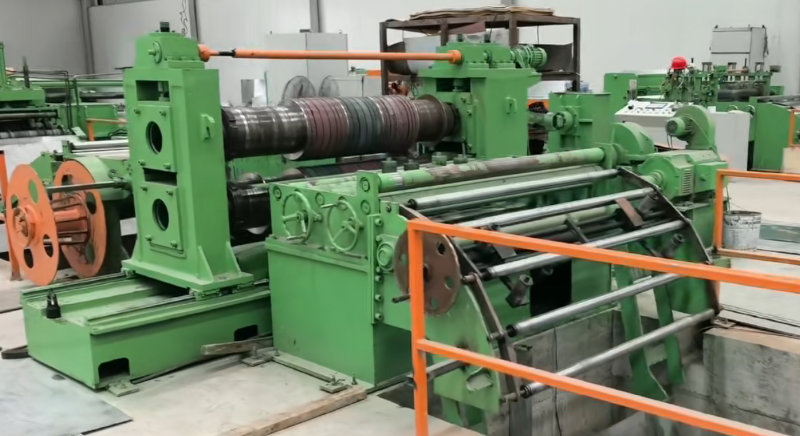
In the metal processing industry, cold rolling mills and slitting lines are critical production assets. However, their high new-equipment costs and long manufacturing cycles often deter small-to-mid-sized enterprises while challenging large firms seeking rapid expansion. A clear trend has emerged in recent years: sophisticated buyers are actively pursuing high-quality used equipment.
Three Key Drivers
1. Significant Cost Advantage & Improved Cash Flow
A new, high-precision cold rolling mill or slitting line can require an investment of tens of millions of yuan (or millions of USD). In contrast, well-maintained used equipment typically costs only 30–50% of the new price. For manufacturers, this means freeing up capital for raw materials, market expansion, or R&D — maintaining healthier cash flow during industry cycles.
2. Shortened Lead Times to Capture Market Opportunities
New equipment often takes 12–24 months from order to design, production, installation, and commissioning. Used equipment, usually available off-the-shelf or with minimal refurbishment, can be put into operation within 3–6 months. In a fast-moving market or when facing urgent orders, this "ready-to-use" advantage translates directly into competitiveness.
3. Proven Technology with Predictable Maintenance Costs
The past decade has seen no revolutionary disruptions in ferrous and non-ferrous rolling and slitting technology. Many used machines produced after 2010 still offer modern automation and high precision. More importantly, the common failure points, spare parts availability, and maintenance procedures for these established models are well understood by the industry. Buyers avoid the "first-of-its-kind" trial risks, and maintenance becomes more transparent and economical.
Common Misconceptions and Clarifications
Despite the clear advantages of used equipment, some companies still harbor concerns. Below are clarifications on three common misconceptions:
Misconception 1: Used equipment equals obsolete equipment
This is not the case. Many used cold rolling mills and slitting lines become available because the original owner is undergoing product transformation, capacity relocation, or order structure adjustments — not because the equipment is technologically inferior. Machines produced after 2015 generally feature PLC-based automation and variable-frequency drives, which fully meet the production requirements of most mid-to-high-end products today. Whether equipment is "obsolete" depends on its original design era and specifications, not on its "used" status.
Misconception 2: Used equipment comes with no after-sales support
While this was once a legitimate concern, the situation has fundamentally changed. A growing number of professional used equipment suppliers now offer equipment assessment, refurbishment, installation and commissioning, and even 6–12 months of full-machine warranty. Some leading service providers go further, offering equipment operation insurance and remote maintenance support. The professionalism of used equipment transactions is rapidly approaching that of the new equipment market. By choosing qualified and reputable suppliers, buyers can obtain after-sales experience comparable to purchasing new machinery.
Misconception 3: Used equipment leads to higher maintenance costs
In fact, the opposite is often true. For major brands of used cold rolling mills and slitting lines, the spare parts market is already highly mature, with common components available at transparent prices and short lead times. In contrast, new equipment — especially imported machinery — often requires expensive proprietary parts with long delivery schedules. From a total life-cycle cost perspective, a professionally refurbished used machine typically incurs lower annual maintenance expenses than a new one, because many early-stage failure risks are eliminated during the refurbishment process. What buyers need to focus on is not "whether the equipment is used" but "whether the refurbishment is professional."
Industry Outlook
With increasingly professional equipment evaluation, refurbishment, and warranty services, the market for used cold rolling mills and slitting lines is moving from "discard of obsolete assets" to "standardized circulation." For rational decision-makers in metal processing, choosing suitable used equipment is no longer just a cost-saving tactic — it is a strategic decision based on return on investment and operational agility. By breaking down misconceptions and making professional decisions, used equipment is fully capable of becoming a reliable foundation for cost reduction and efficiency improvement.
Key Factors to Consider Before Buying a Used Hot Rolling Mill
Influence and characteristics of inverter on motor
Related Article