How to Choose the Right Used Polishing Machine?

How to Choose the Right Used Polishing Machine?
Brief Introduction
Choosing the right used polishing machine can help manufacturers reduce capital investment while maintaining excellent surface finishing quality and production efficiency.
As competition in the manufacturing industry continues to increase, more companies are focusing on maximizing their return on investment. In industries such as stainless steel processing, aluminum production, metal fabrication, and cold rolled strip manufacturing, polishing machines play a vital role in achieving superior surface quality. Compared with new equipment, a well-maintained used polishing machine offers significant cost savings and faster project implementation.
However, selecting the right machine requires careful evaluation.
Define Your Production Requirements
Before purchasing a machine, manufacturers should clearly identify their production needs, including:
- Material type
- Strip or sheet dimensions
- Surface finish requirements
- Production capacity
- Target industries
Understanding these requirements helps ensure that the selected machine matches actual production demands.
Review Technical Specifications
Key technical parameters include:
- Maximum processing width
- Thickness range
- Operating speed
- Number of polishing heads
- Motor power
- Tension control system
- Automation level
Proper specification matching is essential for achieving optimal productivity and product quality.
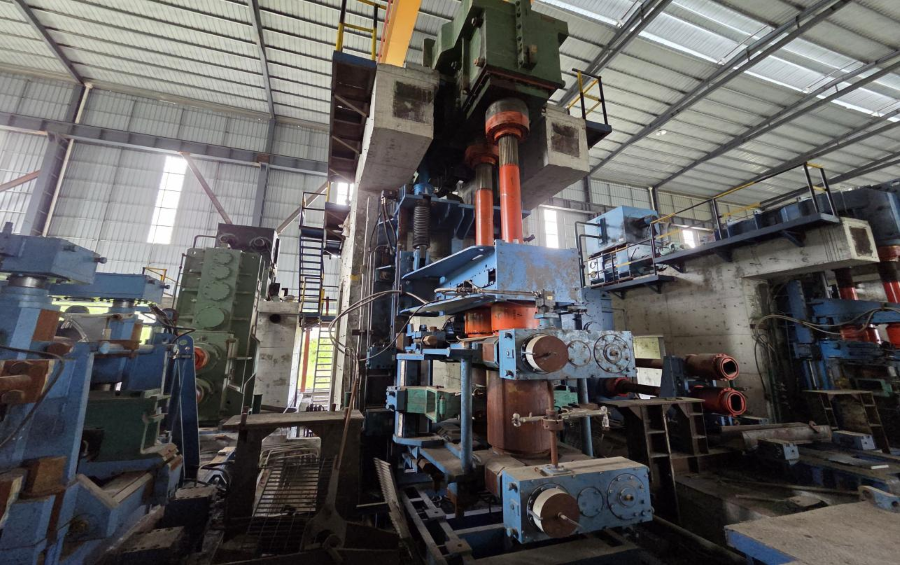
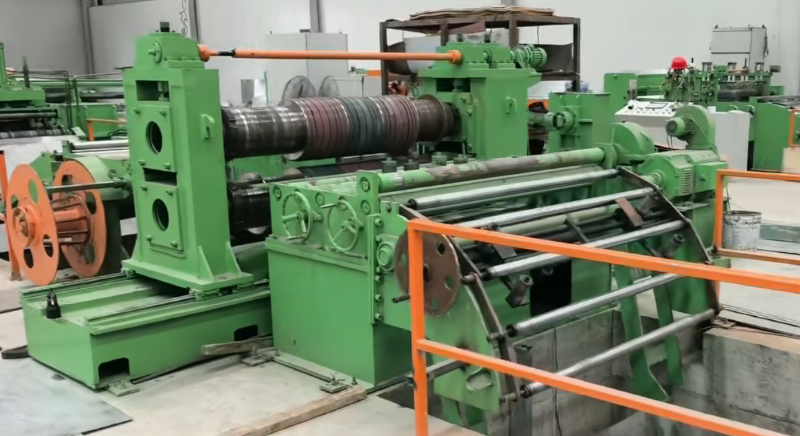
Inspect Overall Machine Condition
The condition of the equipment is often more important than its age.
Important inspection points include:
- Machine frame condition
- Roller wear
- Drive system performance
- Motor and gearbox status
- Hydraulic system condition
- Electrical cabinet integrity
- PLC and automation functionality
Whenever possible, a test run should be conducted before purchase.
Evaluate Equipment History
Understanding the machine's operating history helps buyers estimate its remaining service life.
Important information includes:
- Original manufacturer
- Commissioning date
- Shutdown date
- Operating hours
- Maintenance records
- Previous upgrades
- Storage conditions
Machines with documented maintenance histories generally offer greater reliability.
Assess Surface Finishing Performance
The primary objective of a polishing machine is to improve product surface quality.
Buyers should evaluate:
- Surface roughness performance
- Mirror finish capability
- Surface consistency
- Defect removal effectiveness
- Suitability for coating and painting applications
Sample inspections and trial polishing tests are highly recommended.
Spare Parts and Technical Support
Long-term operation depends heavily on spare parts availability and after-sales support.
Buyers should verify:
- Spare parts supply
- Availability of electrical components
- PLC brand and model
- Technical documentation
- Installation and commissioning support
- Future maintenance services
Reliable support can significantly reduce operational risks.
Return on Investment
One of the biggest advantages of used polishing machines is their affordability.
In many cases, a high-quality used machine costs only 30% to 70% of a comparable new machine. This makes used equipment an attractive option for companies seeking rapid capacity expansion with limited investment.
By carefully evaluating equipment costs, transportation expenses, installation requirements, and expected production returns, manufacturers can achieve excellent investment performance.
Conclusion
As demand for premium surface-finished metal products continues to grow, polishing machines remain essential equipment in modern manufacturing.
By carefully assessing machine condition, technical specifications, finishing capability, spare parts availability, and long-term value, companies can confidently select the right used polishing machine and achieve sustainable business growth.
Used Machine Tool Market Continues to Heat Up, Precision Grinder Demand Leads All Categories
Used Slitting Machine Full-Cycle Technical Services: From Installation & Commissioning to Automation Retrofit
Related Article