Global Steel Overcapacity: What Changes Could Lie Ahead for the Used Rolling Mill Market?
1. Global Steel Overcapacity Continues to Intensify
In 2026, the global steel industry is facing multiple challenges, including continued capacity expansion, sluggish demand growth, and increasing competition in international steel markets.
As steelmaking capacity continues to increase in certain regions, the imbalance between global steel supply and demand is becoming an increasingly important concern.
According to the OECD Steel Outlook 2026, published by the Organisation for Economic Co-operation and Development (OECD) on June 4, 2026, global steelmaking capacity reached approximately 2.445 billion tonnes in 2025, while global excess capacity stood at around 640 million tonnes.
The report forecasts that global excess steelmaking capacity could increase to 745 million tonnes by 2028, approaching the historical highs recorded during the steel industry crisis a decade ago.
Meanwhile, global steel capacity utilization is also under pressure.
According to OECD estimates, the global steel capacity utilization rate was approximately 76% in 2025 and could decline to 74% or lower by 2028.
These figures highlight the growing gap between steel production capacity and market demand.
Against this background, steel manufacturers are increasingly required to evaluate production capacity, operating costs, equipment utilization, and investment returns.
For companies planning to restructure production facilities or optimize existing operations, equipment replacement, production line consolidation, and the disposal of idle machinery may become important business considerations.
These developments could also influence the global market for used steel equipment and second-hand rolling mills.
2. Imbalance Between Steel Capacity Expansion and Demand Growth
Global steel overcapacity does not mean that steel industries in all regions are experiencing contraction.
According to the OECD, regional steelmaking capacity trends have varied significantly in recent years.
While steelmaking capacity has declined in some developed economies, emerging markets such as India and Southeast Asia continue to invest in steel production facilities.
Between 2021 and 2025, India added approximately 41.4 million tonnes of steelmaking capacity, becoming one of the major contributors to capacity expansion in Asia.
Meanwhile, Southeast Asian countries have continued developing their steel industries through new production facilities, industrial investment, and capacity expansion projects.
The OECD estimates that up to 138.8 million tonnes of additional steelmaking capacity could be commissioned globally between 2026 and 2028 if projects currently under construction or in planning proceed.
However, additional production capacity may not necessarily be absorbed by market demand.
For steel manufacturers, excessive investment in new production facilities could increase financial pressure and affect long-term profitability.
Therefore, companies need to carefully evaluate regional steel demand, existing equipment conditions, production costs, and capacity utilization before making investment decisions.
For manufacturers seeking to manage capital expenditure, purchasing technically suitable used rolling mills or existing steel production lines may provide an alternative to investing in entirely new equipment.
3. How Could Global Steel Industry Restructuring Affect the Used Rolling Mill Market?
As steel producers place greater emphasis on production efficiency and asset utilization, equipment management strategies may also change.
Several potential developments could influence the used steel equipment market.
3.1 Production Restructuring May Create Equipment Resale Opportunities
When steel manufacturers face changing market demand, rising operating costs, or declining capacity utilization, they may reassess the economic performance of their production facilities.
Some companies may consolidate production lines, replace equipment that no longer meets their requirements, or sell idle machinery to recover part of their investment.
During this process, used hot rolling mills, used cold rolling mills, and other steel processing equipment may become available for resale.
However, global steel overcapacity does not automatically lead to an increase in used equipment supply.
Actual equipment availability depends on individual company decisions, technical conditions, regional policies, and asset disposal arrangements.
3.2 Steel Manufacturers May Focus More on Equipment Investment Costs
Under challenging market conditions, steel producers may become more cautious about major capital investments.
New rolling mills and steel production lines often require substantial financial resources, covering engineering design, manufacturing, transportation, installation, and commissioning.
In comparison, certain used rolling mills may offer lower initial purchase costs.
When equipment specifications meet production requirements and major mechanical and electrical systems remain in suitable condition, purchasing used machinery may help manufacturers control initial capital expenditure.
Nevertheless, the overall economic benefits must be evaluated by considering refurbishment, transportation, installation, and long-term maintenance costs.
3.3 Equipment Refurbishment and Modernization May Gain Attention
As steel manufacturers seek to improve productivity, product quality, and energy efficiency, upgrading existing equipment may become an alternative to complete production line replacement.
Depending on technical feasibility, used rolling mills can be considered for improvements to electrical drive systems, PLC control systems, hydraulic systems, and automation functions.
For certain cold rolling mills, upgrades to automatic gauge control (AGC), tension control systems, and other technical configurations may also be evaluated.
Such modernization projects can improve equipment performance, although the results depend on the original machinery design, control system compatibility, and engineering solutions.
4. Which Types of Used Steel Equipment May Attract Market Attention?
Changes in steel production strategies and equipment investment requirements may influence demand for different categories of second-hand steel machinery.
4.1 Used Hot Rolling Mills
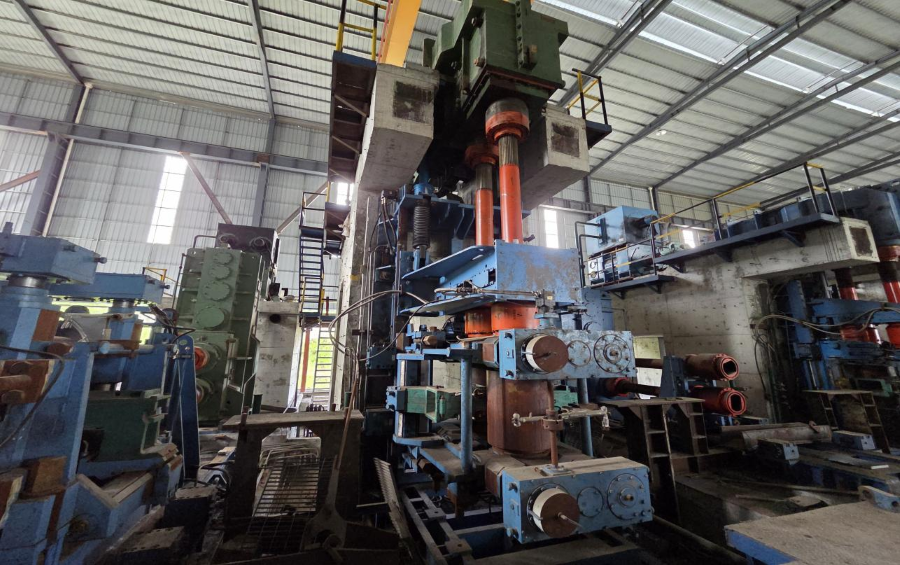
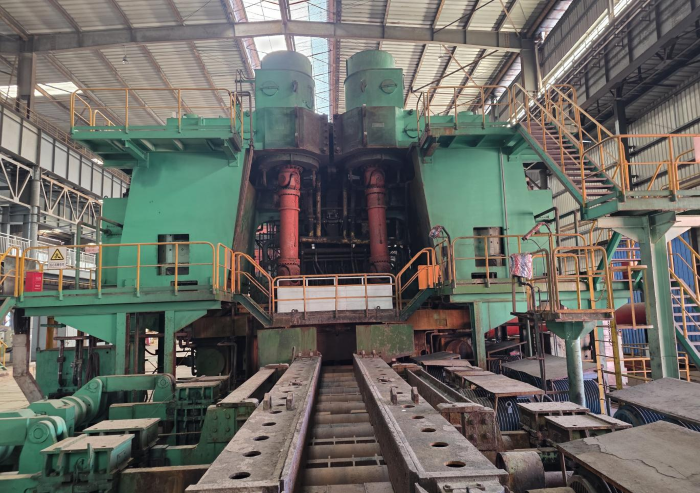
Hot rolling mills are essential equipment used to produce hot rolled steel coils, steel plates, and other hot rolled products.
Common types include continuous hot rolling mills, semi-continuous hot rolling mills, reversing hot rolling mills, and small or medium-sized hot rolling production lines.
For manufacturers planning to expand hot rolled steel production, purchasing a suitable used hot rolling mill may help reduce initial equipment acquisition costs.
Important technical considerations include rolling width, finished product thickness, annual production capacity, mill configuration, and the condition of main drive systems.
4.2 Used Cold Rolling Mills
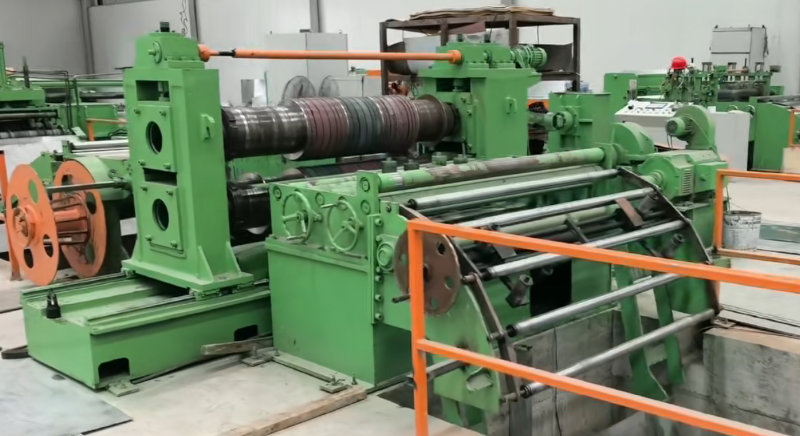
Cold rolling mills are primarily used to reduce steel strip thickness while improving dimensional accuracy and surface quality.
Common configurations include 4-high cold rolling mills, 6-high cold rolling mills, reversing cold rolling mills, and multi-stand tandem cold rolling lines.
For companies planning to manufacture cold rolled steel coils, second-hand cold rolling equipment may provide investment options at different budget levels.
During equipment evaluation, buyers should inspect mill stands, work roll and backup roll systems, hydraulic screwdown mechanisms, electrical drives, and automation equipment.
4.3 Used Galvanizing Lines
Galvanizing lines are designed to manufacture galvanized steel products with improved corrosion resistance.
For manufacturers planning to enter or expand the coated steel market, used continuous hot-dip galvanizing lines may offer an alternative equipment purchasing solution.
Key technical factors include production speed, strip width, product thickness, zinc pot systems, annealing furnaces, and electrical control equipment.
4.4 Used Color Coating Lines
Color coating lines are used to manufacture prepainted steel coils for construction, household appliances, and industrial applications.
When evaluating used color coating lines, buyers should consider production capacity, coating methods, drying and curing systems, equipment completeness, and finished product quality requirements.
For manufacturers planning to expand their coated steel product range, technically suitable second-hand production lines may provide another investment option.
5. Used vs. New Rolling Mills: Important Investment Considerations
As global steel manufacturers face increasing financial pressure, equipment purchasing costs have become an important factor in investment planning.
However, both used and new rolling mills have advantages and limitations.
Initial Purchase Cost
Used rolling mills generally have lower initial purchase prices, while new rolling mills typically require higher capital investment.
Equipment Delivery Time
Some used equipment can be inspected and dismantled relatively quickly, potentially shortening procurement time. New equipment generally requires engineering, manufacturing, and testing before delivery.
Technical Configuration
New rolling mills can be designed according to specific customer requirements, while used rolling mills usually require technical evaluation and possible modifications based on their existing configurations.
Maintenance and Upgrade Costs
Used equipment may require replacement of worn components, control system upgrades, or mechanical refurbishment. Buyers should assess these costs before making purchasing decisions.
Total Project Investment
For both used and new equipment, total project costs should include purchasing, transportation, installation, commissioning, energy consumption, and long-term maintenance.
For manufacturers with clearly defined production requirements and limited investment budgets, technically suitable used rolling mills may offer an attractive alternative.
6. Important Considerations in International Used Steel Equipment Trade
As steel manufacturers adjust production strategies and investment plans, international purchases of used steel equipment require careful technical and commercial evaluation.
For overseas buyers considering used rolling mills from China or other countries, several factors are particularly important.
First, the original equipment specifications should be verified against the intended production requirements, including steel grades, strip width, thickness range, and designed production capacity.
Second, buyers should review the equipment's manufacturing year, operating condition, maintenance history, and major component status whenever such information is available.
Where on-site inspection is possible, buyers may arrange technical visits to assess mechanical systems, electrical equipment, and automation controls.
In addition, second-hand steel production lines often consist of extensive mechanical, electrical, and auxiliary equipment.
Dismantling, packing, international transportation, and reinstallation therefore require careful planning.
Equipment purchase contracts should also clearly define the equipment scope, technical documentation, delivery terms, and responsibilities of both parties.
For large hot rolling or cold rolling production lines, complete equipment lists and technical documentation are particularly important for subsequent reinstallation and commissioning.
7. Outlook for the Used Steel Equipment Market Amid Global Overcapacity
The OECD Steel Outlook 2026 indicates that global steel manufacturers are likely to continue facing excess capacity, relatively low utilization rates, and competitive market conditions in the coming years.
These challenges may encourage certain steel producers to reassess existing production facilities and focus more closely on asset utilization and investment efficiency.
From the equipment supply perspective, production line consolidation, machinery replacement, and industrial asset disposal could create potential opportunities in the used equipment market.
From the purchasing perspective, some steel manufacturers may consider used rolling mills, refurbished equipment, or upgrades to existing production lines to meet their operational requirements.
However, developments in the used steel equipment market are not determined solely by global steelmaking capacity.
Regional steel demand, machinery specifications, international trade policies, transportation expenses, and project investment returns also influence purchasing decisions.
Therefore, global steel overcapacity should not be interpreted as direct evidence of growing demand for used rolling mills.
For international equipment suppliers and buyers, accurate technical information, reliable equipment condition assessments, and an understanding of target market requirements will remain essential.
8. Conclusion
In 2026, the global steel industry is undergoing an important period of capacity adjustment and investment reassessment.
According to the OECD, global excess steelmaking capacity could increase from approximately 640 million tonnes in 2025 to 745 million tonnes by 2028, placing additional pressure on competition and capital investment.
Under these circumstances, steel manufacturers may place greater emphasis on production line consolidation, improved equipment utilization, and efficient capital allocation.
For certain manufacturers, used hot rolling mills, used cold rolling mills, used galvanizing lines, and used color coating lines may offer alternatives to purchasing entirely new production equipment.
Meanwhile, equipment refurbishment, automation upgrades, and the reuse of existing machinery may provide flexible solutions for adjusting steel production facilities.
The future development of the used steel equipment market will depend on structural changes in the global steel industry, regional investment requirements, and the technical and economic value of individual machines.
For companies considering the purchase of used rolling mills or second-hand steel production lines, a comprehensive evaluation of equipment condition, technical configuration, and total project costs will remain essential for informed investment decisions.
Global Steel Demand Stabilizes in 2026: What Opportunities Lie Ahead for Used Steel Equipment?
Related Article