Key Factors to Consider Before Buying a Used Hot Rolling Mill
Introduction
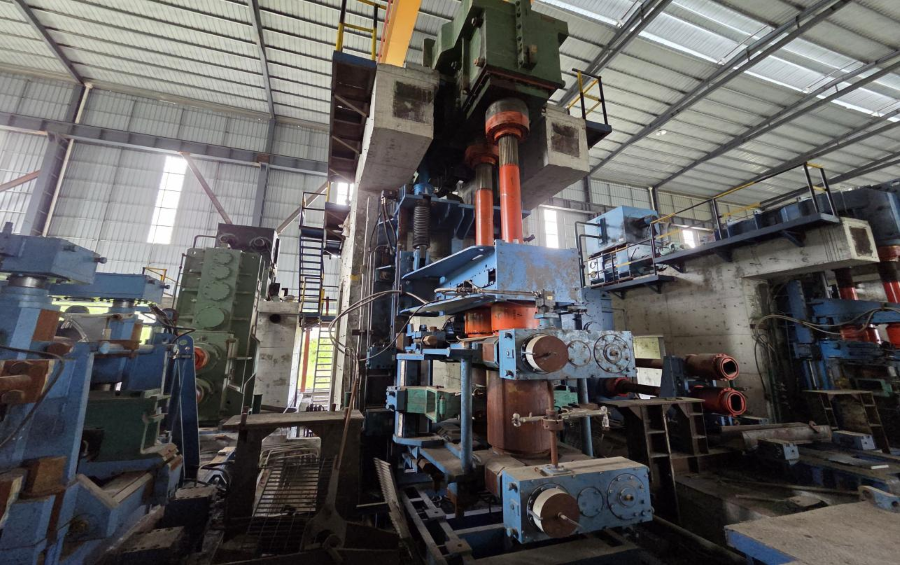
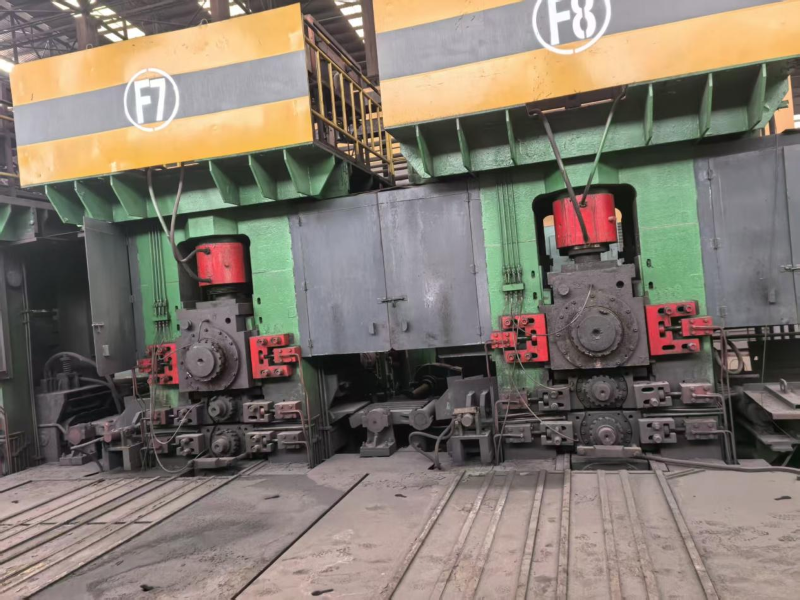
As competition in the global steel industry continues to intensify, more manufacturers are turning to used hot rolling mills as a cost-effective solution for expanding production capacity or launching new projects. Compared with new equipment, used hot rolling mills offer significant advantages, including lower capital investment, shorter delivery times, and faster project implementation.
However, purchasing a used hot rolling mill requires careful evaluation. The actual condition of the equipment, refurbishment requirements, and future operating costs can greatly impact production performance and return on investment. A thorough assessment before purchase can help manufacturers minimize risks and maximize long-term value.
This article outlines the key factors that should be considered before investing in a used hot rolling mill.
1. Equipment Age and Operating History
The manufacturing year and operating history of a hot rolling mill provide important information about its remaining service life and overall value.
Before making a purchase, buyers should verify:
- Manufacturing year
- Original equipment manufacturer
- Previous production capacity
- Actual operating hours
- Shutdown period
- Maintenance records
- Refurbishment and upgrade history
A well-maintained rolling mill can continue to operate efficiently for many years, even if it has been in service for an extended period.
2. Overall Mechanical Condition
A comprehensive inspection of the equipment is essential before purchase. Whenever possible, buyers should arrange an on-site inspection or hire a professional third-party inspection team.
Critical components to evaluate include:
- Mill stands and structural frames
- Work rolls and backup rolls
- Bearings and bearing housings
- Gearboxes and transmission systems
- Main drive motors
- Hydraulic systems
- Lubrication systems
Signs of excessive wear, corrosion, cracks, or improper maintenance may indicate higher future repair costs and reduced reliability.
The overall mechanical condition of the mill directly affects production stability and maintenance requirements.
3. Mill Specifications and Production Requirements
A used hot rolling mill should be capable of meeting the intended production targets and product specifications.
Important technical parameters include:
- Maximum rolling width
- Product thickness range
- Maximum rolling force
- Rolling speed
- Coil weight capacity
- Annual production capacity
- Finished product dimensions
Selecting equipment that does not match production requirements can result in costly modifications and operational limitations.
Buyers should ensure that the mill specifications align with both current and future production plans.
4. Electrical and Automation Systems
Many used rolling mills were originally equipped with control systems that may no longer meet modern production standards.
The following systems should be carefully evaluated:
- PLC platform and controller type
- Main drive systems
- Variable frequency drives
- Human-machine interface (HMI)
- Electrical cabinets and wiring
- Automatic Gauge Control (AGC)
- Automatic Flatness Control (AFC)
Outdated automation systems can often be upgraded with modern solutions from Siemens, ABB, or other leading suppliers to improve production efficiency, product quality, and operational reliability.
Understanding upgrade requirements in advance helps prevent unexpected expenses after installation.
5. Refurbishment Requirements and Costs
Most used hot rolling mills require some level of refurbishment before being returned to production.
Typical refurbishment work may include:
- Roll replacement or regrinding
- Bearing replacement
- Gearbox repairs
- Hydraulic system refurbishment
- Electrical system upgrades
- Structural repairs and repainting
Buyers should obtain a detailed estimate of refurbishment costs and include them in the overall project budget.
In some cases, the refurbishment cost may represent a significant portion of the total investment.
6. Spare Parts Availability
Long-term operation depends heavily on the availability of spare parts and technical support.
Before purchasing a used mill, buyers should verify:
- Availability of critical spare parts
- Roll replacement options
- Bearing supply channels
- Motor repair and replacement services
- Hydraulic component availability
- Electrical spare parts compatibility
A reliable spare parts supply network can significantly reduce downtime and maintenance costs throughout the equipment's operating life.
7. Dismantling, Transportation, and Installation
Used hot rolling mills are large industrial assets that require professional dismantling, transportation, and installation services.
Important considerations include:
- Dismantling procedures
- Equipment packaging methods
- Transportation logistics
- Shipping requirements
- Container quantities
- Foundation requirements
- Site installation conditions
Improper handling during dismantling or transportation can result in equipment damage and project delays.
Working with experienced suppliers and engineering teams can help ensure a smooth relocation process.
8. Energy Efficiency and Operating Costs
In addition to purchase price, buyers should evaluate the long-term operating costs of the equipment.
Factors affecting operating costs include:
- Power consumption
- Motor efficiency
- Hydraulic system performance
- Cooling water requirements
- Maintenance expenses
- Labor requirements
A lower purchase price does not always guarantee the lowest total cost of ownership.
Evaluating operational efficiency can help buyers make a more informed investment decision.
9. Supplier Reputation and Technical Support
Choosing a reputable supplier is just as important as selecting the right equipment.
Reliable suppliers should be able to provide:
- Detailed equipment documentation
- Inspection reports
- Refurbishment records
- Spare parts support
- Technical consultation
- Installation and commissioning assistance
Strong after-sales support can greatly reduce project risks and improve the success of the equipment relocation and startup process.
10. Return on Investment Analysis
Before making a final decision, buyers should conduct a complete financial evaluation.
The analysis should include:
- Purchase price
- Refurbishment costs
- Transportation expenses
- Installation costs
- Operating expenses
- Expected production output
- Estimated payback period
A comprehensive ROI analysis helps determine whether the investment aligns with the company's financial and production objectives.
Conclusion
Purchasing a used hot rolling mill can be an effective strategy for reducing capital expenditure and accelerating project implementation. However, the success of the investment depends on a thorough evaluation of the equipment's condition, technical specifications, automation systems, spare parts availability, and refurbishment requirements.
By carefully assessing these key factors and working with experienced equipment suppliers, manufacturers can minimize risks, maximize return on investment, and establish reliable, efficient hot rolling production capabilities for years to come.
Used Slitting Machine Full-Cycle Technical Services: From Installation & Commissioning to Automation Retrofit
When Cost Efficiency Meets Reliability: Why Used Machine Are Becoming the New Choice in Metal Processing?
Related Article