Why More Steel Producers Are Choosing Used Hot Rolling Mills
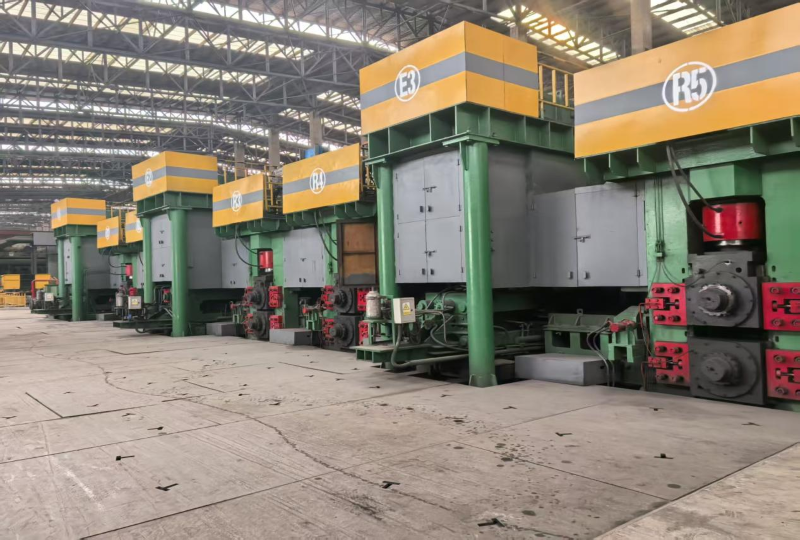
Global steel producers are facing growing pressure to expand production capacity while controlling capital expenditure. As the cost of building new production lines continues to rise, many manufacturers are turning to refurbished hot rolling mills as a practical and economical alternative. This trend is becoming increasingly evident in emerging markets, where steel demand continues to grow and investment efficiency is a key priority.
Industry reports show that fluctuations in steel demand, higher equipment prices, and longer delivery times for new machinery have encouraged companies to seek faster and more cost-effective investment solutions. Refurbished hot rolling mills provide an opportunity to shorten project lead times while significantly reducing initial capital investment.
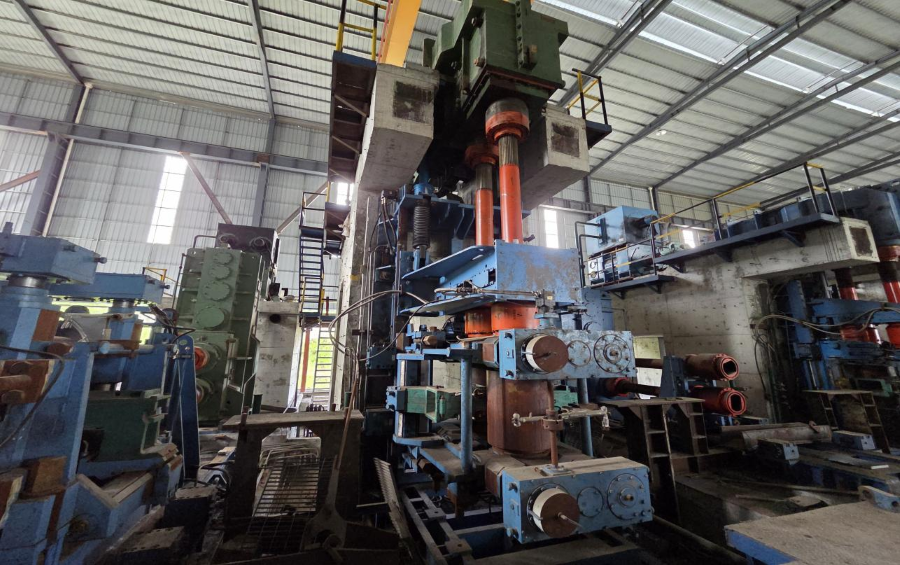
Unlike older equipment sold without technical support, professionally refurbished hot rolling mills are typically dismantled, inspected, repaired, upgraded, and tested before delivery. Critical components—including rolling stands, gearboxes, electrical control systems, hydraulic systems, and drive motors—can be overhauled or modernized to meet current production requirements. Many projects also include PLC automation upgrades, frequency converter systems, and new operator control interfaces to improve productivity and operational reliability.
For steel manufacturers planning capacity expansion, refurbished equipment offers several important advantages:
- Lower capital investment compared with new production lines
- Shorter manufacturing and delivery schedules
- Reliable performance following professional refurbishment and testing
- Flexible modernization options for electrical and automation systems
- Sustainable use of industrial equipment by extending service life and reducing waste
In addition to cost savings, refurbished hot rolling mills contribute to the steel industry's sustainability goals. Reusing existing industrial equipment reduces the consumption of raw materials, minimizes manufacturing-related carbon emissions, and supports the principles of the circular economy. As environmental regulations become more stringent, many companies are incorporating equipment refurbishment into their long-term investment strategies.
Industry experts believe demand for refurbished rolling equipment will continue to grow, particularly in Southeast Asia, the Middle East, Africa, and Latin America, where many steel producers are expanding production capacity while carefully managing investment costs. With continuous improvements in refurbishment technology and automation upgrades, used hot rolling mills have become a competitive solution for manufacturers seeking both economic efficiency and production reliability.
Global Steel Industry Adjusts Investment Strategies as Demand for Used Slitting Lines Continues to Grow
Why More Steel Producers Are Choosing Used Cold Rolling Mills
Related Article